What to remember
- The same forest reads as green and warm for part of the year and quiet under snow for the rest, and neither version is the wrong one to book.
- What runs after dark or through winter depends on the specific date and time you book, not on the general description of the course.
- Two guides run every group, which means real time standing on an open platform between turns, so dress for waiting rather than for the zip itself.
- Free cancellation is offered, so a booking can be changed or dropped if the forecast for your date turns out to be a problem.
Two Versions of the Same Three Hours
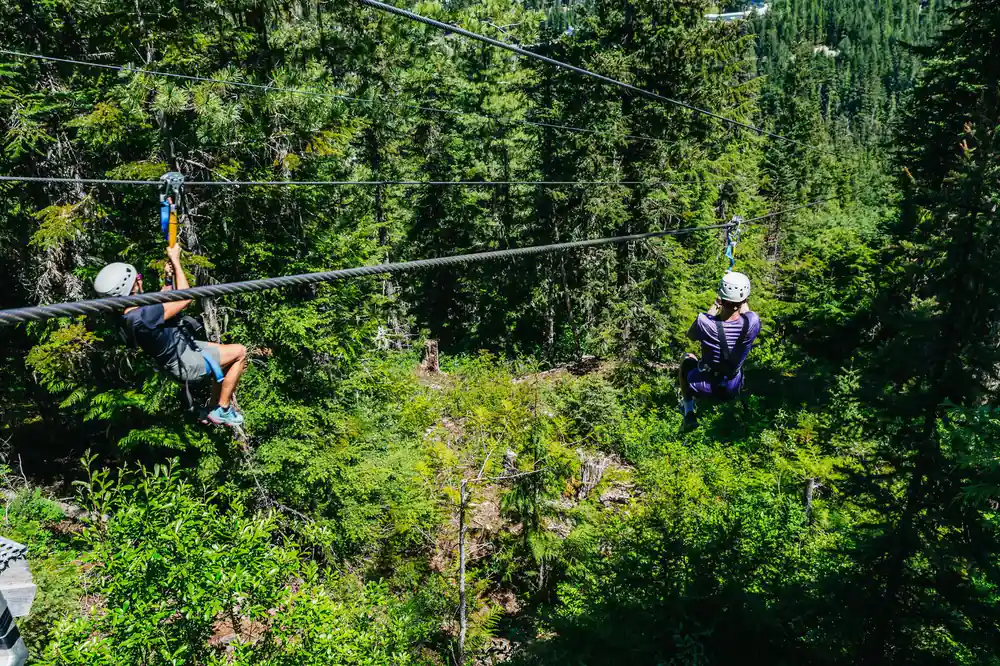
Whistler is built around two mountains, and the zipline course strung through the valley between them sits in the same stretch of forest all year round. What changes is not the route but the setting: the same valley reads as a green corridor of trees for most of the year and turns into something else entirely once snow settles over it. A booking made in July and one made in January are three hours in the same place, but they are not the same three hours.
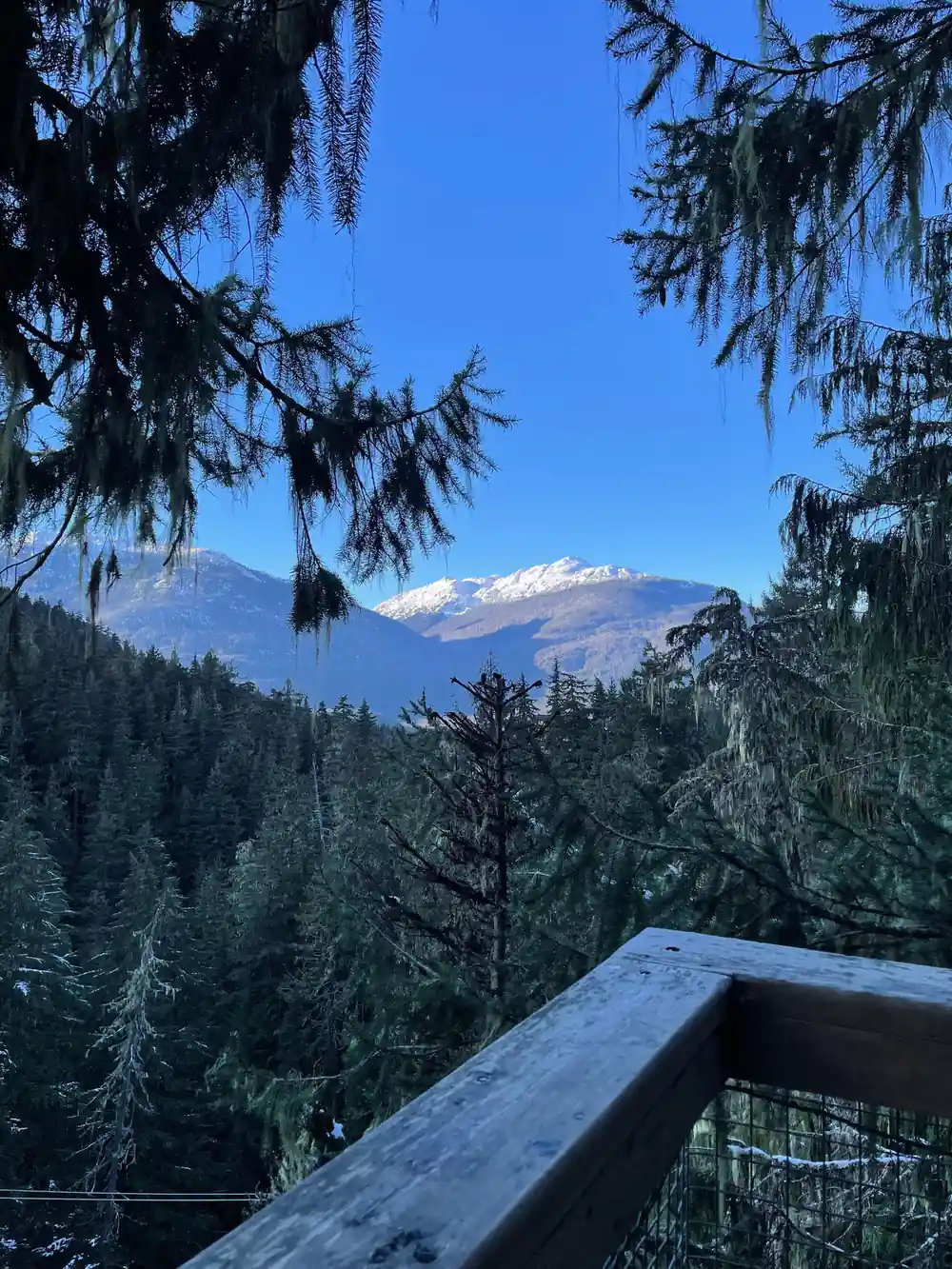
That is the honest answer to the question of when to go. There is not a wrong season, only two different versions of one course, and the right one is whichever matches what you actually want from the day. A summer booking gives you the valley in full colour, a warm forest, and air moving between the platforms. A winter booking gives you a forest gone quiet under snow, a colder wait between turns, and a view that has swapped green for white.
Confirm What's Running Before You Book
Whistler operates through every season, and a course like this is exactly the kind of activity that raises questions about whether it runs after dark or in the depths of winter. Neither of those is something a general description can settle. A listing tells you about the course; only the specific date and time slot you pick tells you what you are actually booked into.
The practical fix is simple: before you build a day in Whistler around this course, check the exact date and time against what is currently scheduled, rather than assuming from a summer photo or a name that mentions night. Operators adjust what runs as the season changes, and the version of that information worth trusting is the one attached to the booking you are about to make, not a general page about the tour.
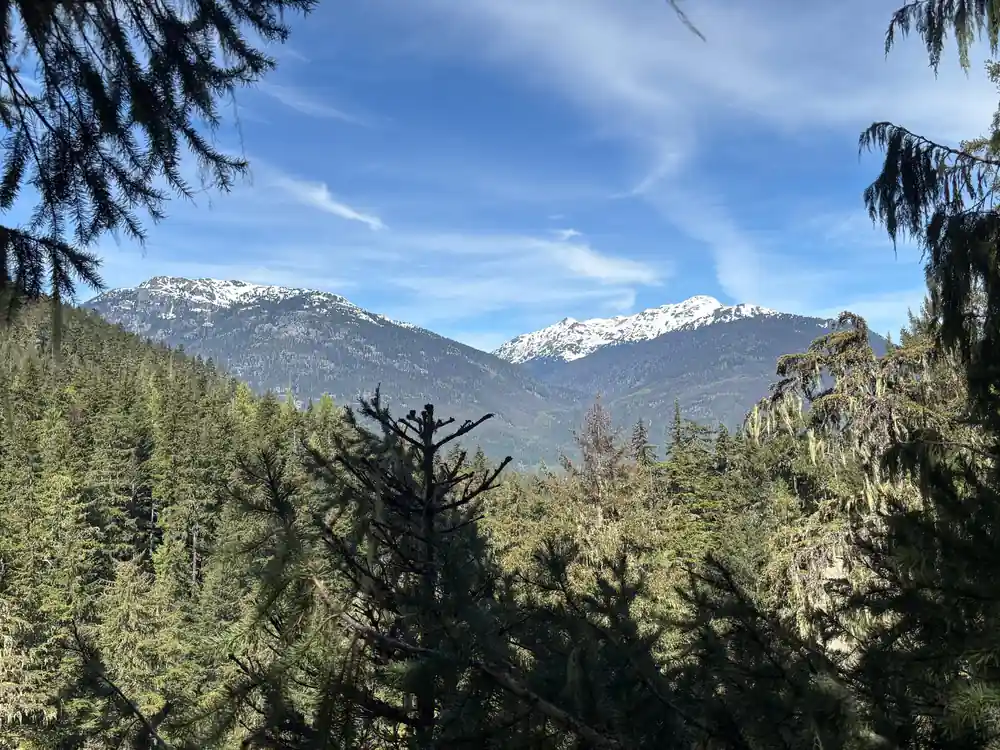
The same platforms and bridges, in a forest that changes completely by season.
Dress for Standing, Not Just Riding
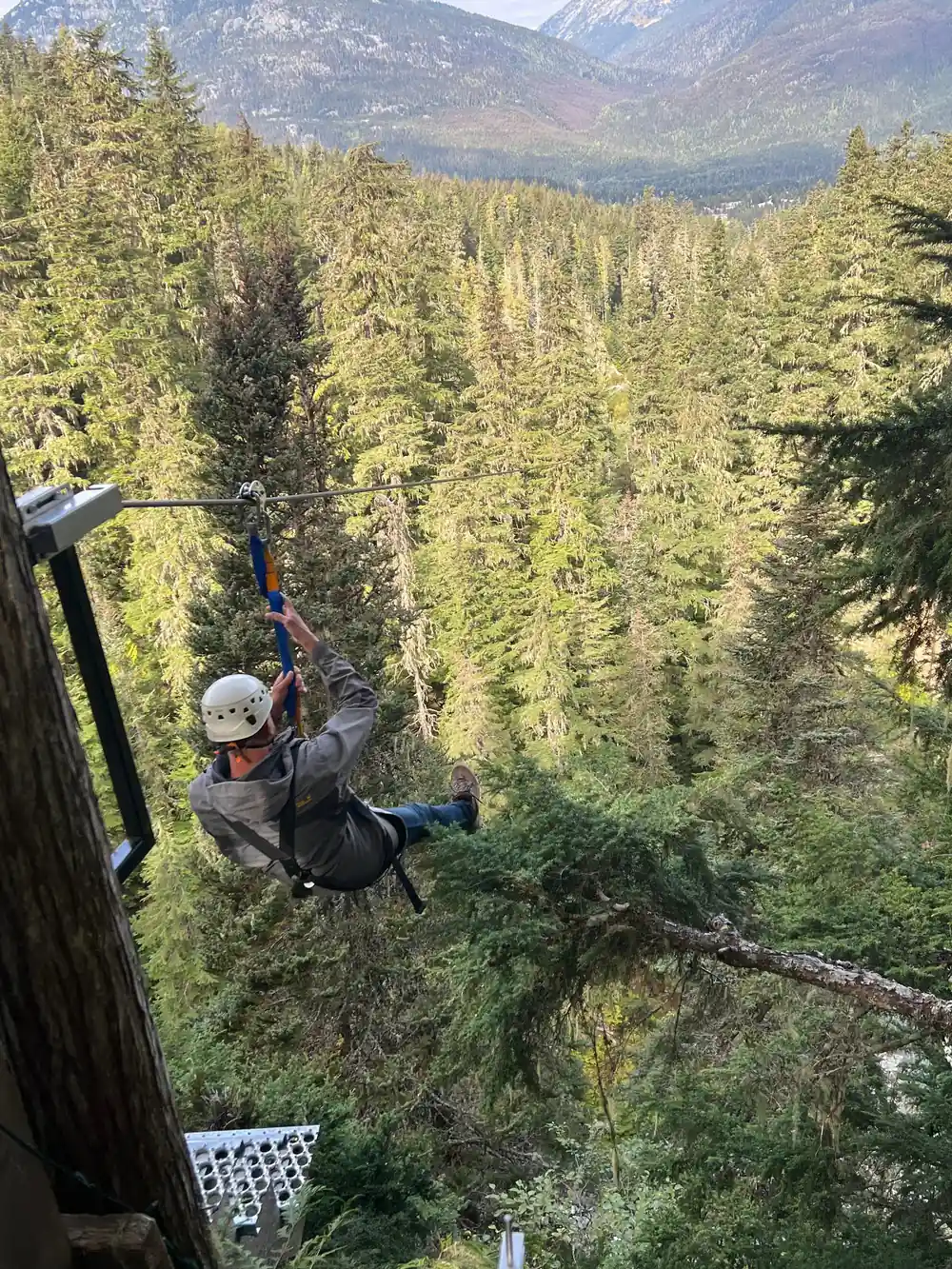
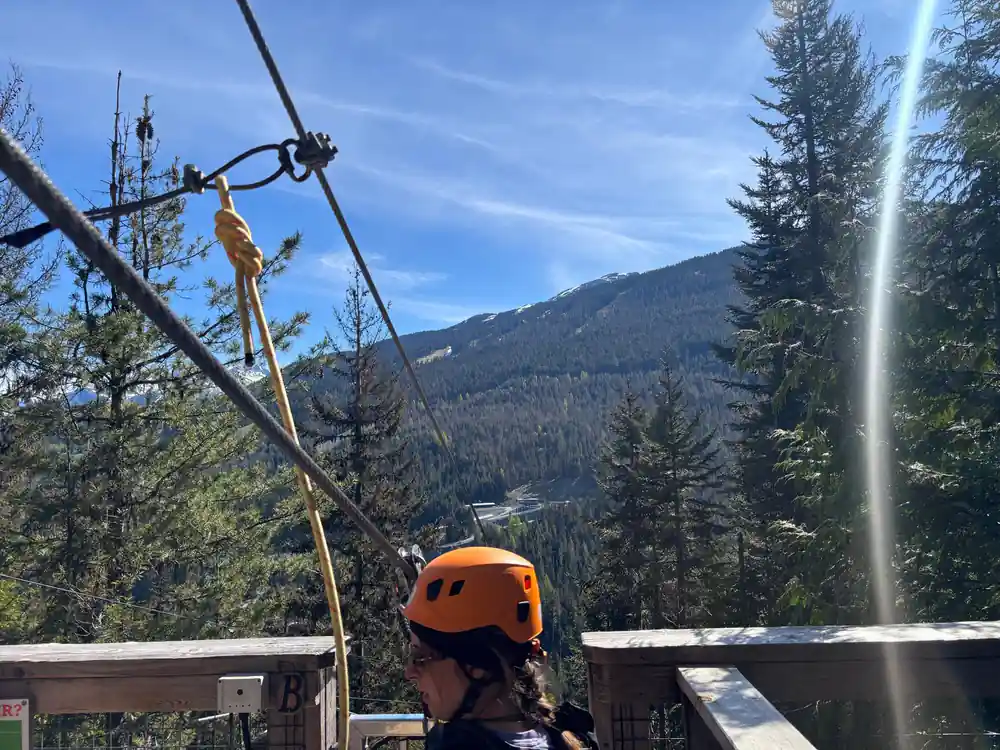
The one detail that changes how a booking feels, whatever the month, is how much of the three hours you spend not moving. This is a guided course run by two guides rather than the usual one, and that second guide exists because a group moves through the lines one person at a time. While you wait for your turn, you are standing on a platform in the open forest, not walking or climbing to stay warm.
Dress for that wait, not for the zip itself. A few seconds of movement on a line does not need much; twenty minutes standing on an exposed platform between turns does. Layers you can add or remove between platforms serve you better than one heavy coat, and gloves matter more here than on most guided tours, because your hands do the gripping while the rest of you does the waiting.
A Valley That Looks Entirely Different
The forest between Whistler and Blackcomb carries a creek and a stretch of old growth that has looked the same way for a very long time, but it does not look the same way through a single year. Snow does something specific to a forest: it covers the undergrowth, it quiets the ground, and it turns a landscape you would recognise from a summer photo into one that could belong to a different place altogether.
None of that changes the bridges or the platforms the course is built around. The suspension bridges and treetop stops are there regardless of what the ground below them is doing. What changes is the experience of crossing them: a bridge over green ferns and a bridge over a white valley floor are the same structure doing two very different jobs.
2 guides
Every group on this course is led by two guides, not the usual one, which matters most while you are standing and waiting your turn on the platform.
If the Weather Turns on the Day
Mountain weather changes faster than a plan usually accounts for, and a forest course does not have the shelter of a boat cabin or a bus window. Rain, wind and heavy snow are all realistic possibilities depending on when you go, and none of them are things a booking made weeks in advance can predict. What you can do is build in room to adjust.
Free cancellation is offered on this course, which is the useful part of that flexibility. If the forecast for your date looks genuinely bad, you are not locked into a choice you made before you knew the weather. Checking the forecast a day or two out, rather than the week you booked, is the version of planning that actually works here.
Fitting It Around the Rest of Your Trip
Whistler is a winter resort with a summer season built on top of it, so most visitors arrive with a set of dates rather than an open calendar, and a course like this has to fit around everything else on the list. The useful planning question is not when the best time of year is, but where three hours in a forest fits against the rest of what you have already booked.
Because free cancellation is offered, there is little downside to booking earlier once your Whistler dates are fixed. It holds a slot without committing you to a day that later turns out to clash with something else, or to weather that turns out to matter more than it looked when you first checked the calendar.
Check What's Scheduled for Your Dates
from US$128Reserve now & pay later